
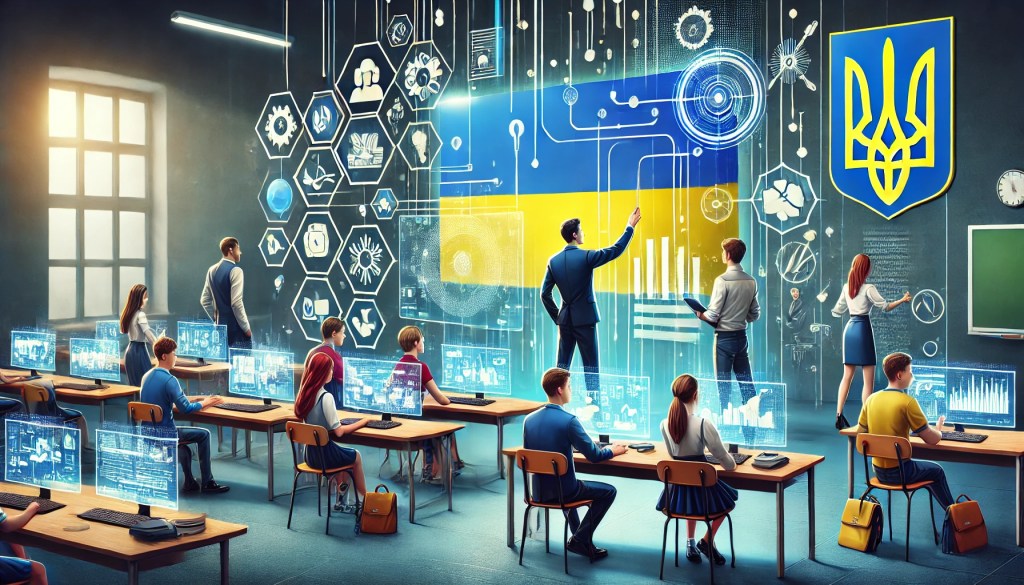
In 2027, Ukraine will introduce a reform that will completely change high school education. The idea? Students will study only seven mandatory subjects, compared to the overwhelming 12–15 they tackle now. They’ll also get to choose additional courses that match their interests and career goals. It’s a bold move that could transform the system—but what does this mean for students, schools, and communities?
Ukraine’s Path to Personalized and Practical Learning
Drawing on global best practices, Ukraine is developing a distinctive education program of its own. The high school system is being redefined to include grades 10–12 (expanding from the current 11 grades), with real flexibility to choose subjects introduced in grades 11 and 12.
The Ministry of Education and Science of Ukraine (MESU) describes this as a move toward personalization, empowering students to focus on their strengths while still covering the essentials. Think core subjects like Ukrainian language, math, and Ukrainian history, with room for exploration through electives.
The reform emphasizes career guidance education, helping students make informed career choices, and is complemented by uniquely Ukrainian innovations such as Mriia, the world’s first nationwide digital education platform. This tool aims to bridge gaps in resources and bring modern education to even the most remote schools.
MESU is optimistic about the reform, pitching it as the answer to many of the system’s long-standing issues. Their data tells a clear story:
- 91% of students want to pick their subjects.
- 50% of students rely on tutors because school isn’t enough to prepare them for university.
By streamlining the curriculum and offering career guidance, the Ministry promises to make education more engaging and practical. They focus on the big picture: giving students agency, reducing stress, and aligning education with modern needs.
What’s Happening on the Ground
If MESU is all about the benefits, SUSPILNE Rivne takes a closer look at the messy realities of implementation. In an interview with Maryna Pashkovska, a regional education official, SUSPILNE dives into the challenges rural schools face.
For example, Pashkovska discusses the new academic lyceums that will separate high school students from younger grades. These lyceums will require better facilities, transportation for rural students, and even dormitories for those who live far away. It’s an ambitious plan, but one that comes with logistical hurdles.
SUSPILNE also highlights conflicts in communities like Dubno, where parents protested plans to convert schools into lyceums. Some fear the changes will displace younger students or create unfair advantages for certain schools. It’s a reminder that big reforms often come with tough trade-offs.
Two Views, One Story
The Ministry’s announcements present an optimistic vision of addressing systemic issues like overburdened students, insufficient career guidance, and outdated teaching methods. Their data makes the need for reform compelling. SUSPILNE, however, highlights the challenges of turning this vision into reality. Their reporting captures the tensions, debates, and practical questions, such as ensuring all students have access to adequate resources.
Both perspectives are vital. The Ministry outlines the national vision and goals, while SUSPILNE gives voice to local concerns, illustrating the difficulties of implementation on the ground.
Why It Matters
This reform is about more than reducing the number of subjects or adding electives—it’s a reimagining of education in Ukraine. For students, it promises greater choice and less stress. For teachers, it offers specialization and improved resources. For the country, it marks a move from outdated Soviet practices to a modern, competitive system preparing youth for the future.
Success depends on turning the Ministry’s ambitious vision into tangible improvements for every student. It’s an opportunity to inspire learning and create a system that balances aspiration with practical realities.
References:
Bohdanyok, O. (2023, April 24). 12th year in schools: the Ministry of Education, Science and Technology specified when children will enter the 12th grade. SUSPILNE NEWS.
How will high school change from 2027? All about choosing profiles and new opportunities for students. (2024, October 23). Ministry of Education and Science of Ukraine.
Mriia. (n.d.). Mriia is the first educational state institution for students, parents, and teachers.
Svyrida, R. (2024, October 24). Reform of the senior school Topic of the week. live. YouTube.
 Teach IT: Tech and Teaching Innovations in Education
Leave a comment