
The School District of Philadelphia faced a big challenge this week: the potential for a SEPTA workers’ strike that could leave 55,000 students without transportation to school. With the union’s contract set to expire, Superintendent Tony Watlington Sr. had to prepare for a scenario that would impact thousands of families. However, how does local media cover the situation? Let us explore how The Philadelphia Tribune, 6abc, and WHYY frame the district’s preparations and what this could mean for students and staff.
The Philadelphia Tribune: A Supportive, Student-Focused Approach
The Philadelphia Tribune’s article, “District schools may move to virtual in case of SEPTA strike,” by Chanel Hil, focuses on the district’s internal efforts to support students and staff. The Tribune emphasizes Superintendent Watlington’s commitment to minimize disruption, quoting his statement:
“I respect the right of union members to advocate for themselves… but it is critically important that we remain informed and prepared.”
Tony Watlington Sr.
This sympathetic framing presents the district as ready to adapt, outlining measures like potential virtual learning, relaxed attendance policies, and additional staff support.The Tribune uses empathetic language to convey the district’s readiness, with words like “support,” “prepared,” and “important” emphasizing a concern for student welfare. Watlington’s statements highlight an understanding of union rights while prioritizing student stability, positioning the district as attentive and proactive.
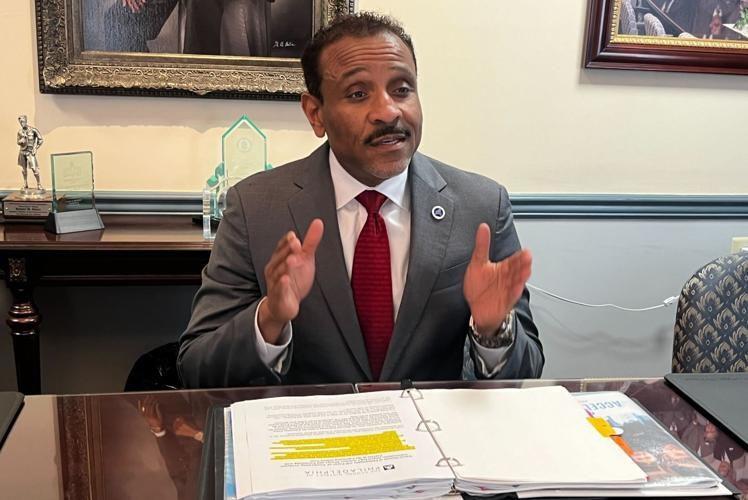
The article includes a photo of Superintendent Tony Watlington Sr. speaking at a Tribune editorial board meeting, where he laid out plans for handling a potential SEPTA strike. This image portrays Watlington as engaged, prepared, and in control, reinforcing the article’s focus on his proactive leadership. The visual positioning of Watlington in this setting aligns with the article’s supportive tone, helping readers view the district as ready to respond with strong leadership and prepared to keep education moving forward, no matter the outcome.
6abc: Balancing District Preparedness with Union Negotiations
In contrast, 6abc’s article, “SEPTA continues talks to avert strike, allowing 55K Philly students to have transportation to school,” by TaRhonda Thomas and Annie McCormick, offers a broader view, covering both the district’s preparations and the ongoing union negotiations. The article shares union leader Brian Pollitt’s comments, “We’re willing to go the extra mile and grant additional time to reach a fair agreement,” showing a willingness to find a resolution. This perspective emphasizes the district’s contingency plans and the union’s active role in negotiations.
The language here is more neutral, with words like “negotiations,” “bargaining,” and “normal schedules.” This balanced choice of words keeps readers informed from a distance, providing facts without leaning heavily toward either side. Unlike the Tribune’s supportive tone, 6abc’s approach maintains a neutral stance, presenting both the district’s and the union’s perspectives.
Instead of photos, 6abc includes a video titled “Potential Strike Looms” that discusses how Philadelphia schools prepare for the potential SEPTA strike. This video, which will be linked in the post, provides an additional layer of immediacy, allowing viewers to see and hear updates on the ongoing negotiations and preparations directly from district representatives and union leaders. The title “Potential Strike Looms” adds a sense of urgency, emphasizing the tension around the situation.
WHYY: Relief as Strike is Averted
Finally, WHYY offers a third perspective in its article, “SEPTA continues talks to avert strike, allowing 55K Philly students to have transportation to school.” by Amanda Fitzpatrick. WHYY focuses on the outcome—reporting that the strike has been postponed and services continue for now. The article includes Watlington’s statement emphasizing his hope to avoid disruption, underscoring the district’s commitment to students’ “social, emotional, and academic needs.”
WHYY’s language uses terms like “relief,” “hope,” and “normal schedules,” creating a reassuring and optimistic tone. This choice of words helps frame the article as informative yet calming, showing that the district and union are working to keep students’ routines intact.
“Tens of thousands of students were relieved Friday after the SEPTA workers union decided not to strike, which would have left 55,000 students and some staff without transportation to and from school.”
Amanda Fitzpatrick
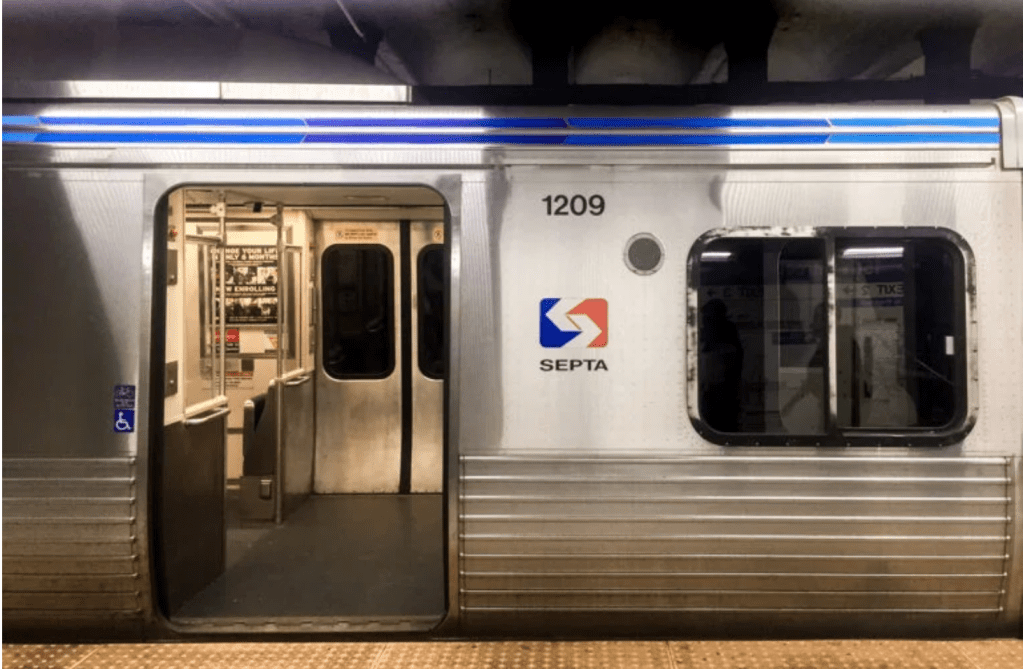
The article includes an image of an empty SEPTA train car, symbolizing the potential disruption to Philadelphia’s daily routines. The image supports the article’s emphasis on what could have been while still providing a sense of relief that a crisis was averted. It reminds readers of the essential role of public transportation in students’ lives, reinforcing the article’s balanced approach.
Why It Matters
The coverage of Philadelphia’s SEPTA strike preparations highlights varied media framing, showing how each outlet emphasizes different aspects of the story. The Philadelphia Tribune focuses on district efforts to support students, using empathetic language to position the district as caring and prepared. 6abc takes a neutral stance, balancing district actions with union negotiations to keep readers informed without leaning toward either side. Meanwhile, WHYY provides a reassuring perspective, focusing on the relief of avoiding immediate disruption while acknowledging ongoing negotiations.
By examining these perspectives, readers can see how media framing shapes understanding. Each outlet’s language and imagery influence how the public perceives the situation, whether through a supportive, balanced, or reassuring lens. The varied approaches remind us of labor negotiations’ complexities and how different narratives can influence public opinion.
References
Hill, C. (2024, November 7). District schools may move to virtual in case of SEPTA strike. The Philadelphia Tribune. [Link]
Thomas, T., & McCormick, A. (2024, November 8). SEPTA continues talks to avert strike, allowing 55K Philly students to have transportation to school. 6abc. [Link]
Fitzpatrick, A. (2024, November 8). SEPTA continues talks to avert strike, allowing 55K Philly students to have transportation to school. WHYY. [Link]
 Teach IT: Tech and Teaching Innovations in Education
Leave a comment